Tree Limbs Removal in Reno, NV
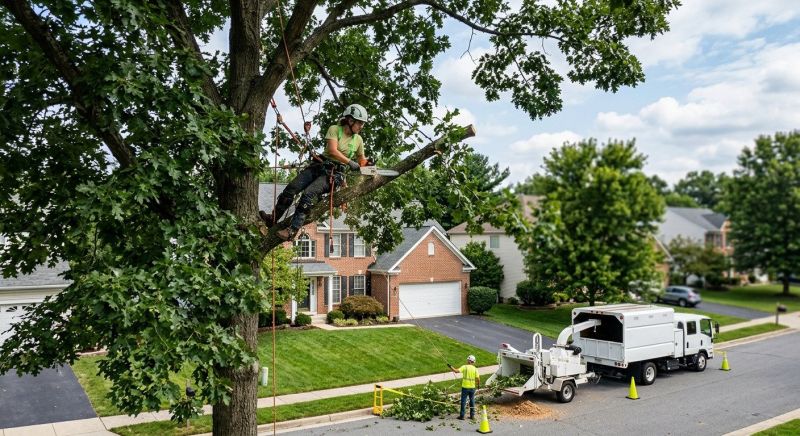
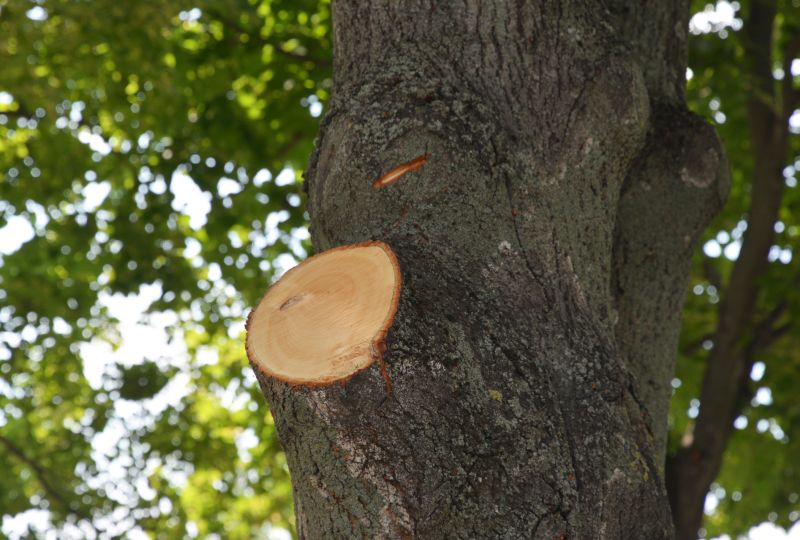
Tree limbs removal services involve the careful trimming and removal of overgrown, damaged, or hazardous branches from trees on residential properties. This service helps maintain the health and appearance of trees while reducing the risk of falling limbs that could cause damage or injury. Projects typically include removing dead or broken branches, thinning dense canopies, and trimming limbs that are close to structures, power lines, or walkways. Homeowners often request this service to improve safety, enhance curb appeal, or prepare trees for seasonal storms.
Before requesting tree limbs removal, property owners should consider the location and size of the branches needing attention, as well as any potential impact on the overall health of the tree. It’s important to identify which limbs are causing concerns and to understand any local regulations or restrictions regarding tree trimming. Clear communication about the scope of work and desired outcomes can help ensure the project meets expectations and maintains the safety and beauty of the landscape.
Many property owners in Reno, NV look into Tree Limbs Removal for repairs, replacements, upgrades, and appearance-related improvements.
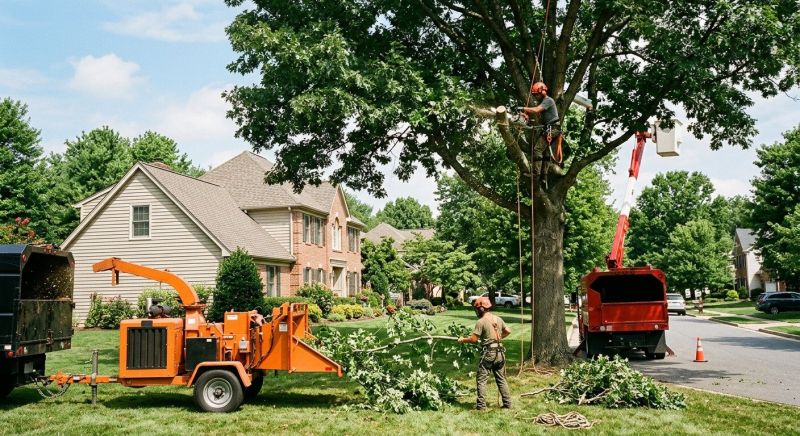
Tree Limb Removal For Safety
Removing overhanging or damaged limbs reduces the risk of property damage and injury.
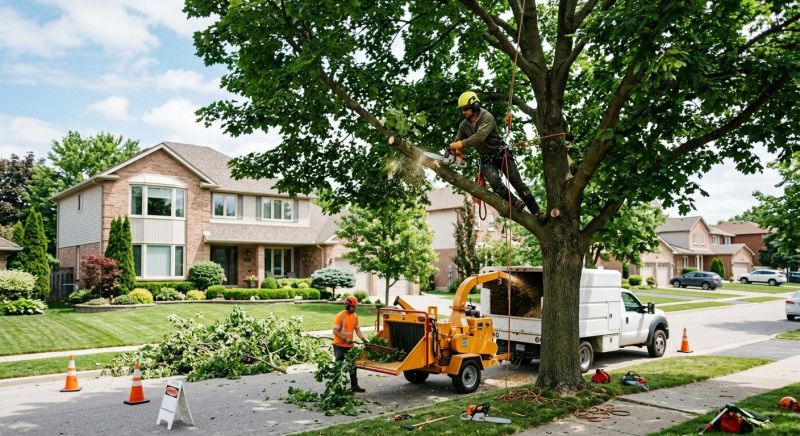
Enhancing Tree Health And Appearance
Selective limb trimming helps maintain the overall health and aesthetic of trees in your yard.
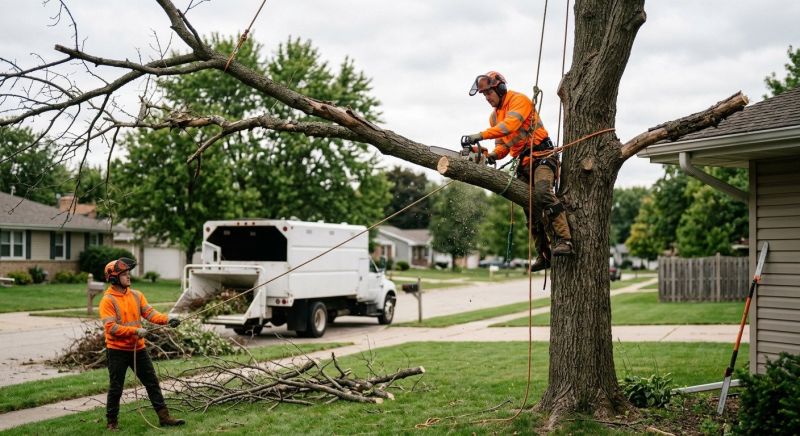
Preventing Property Damage
Removing heavy or unstable branches can protect structures, power lines, and outdoor spaces in reno and nearby areas.
Tree Limbs Removal in Reno, NV
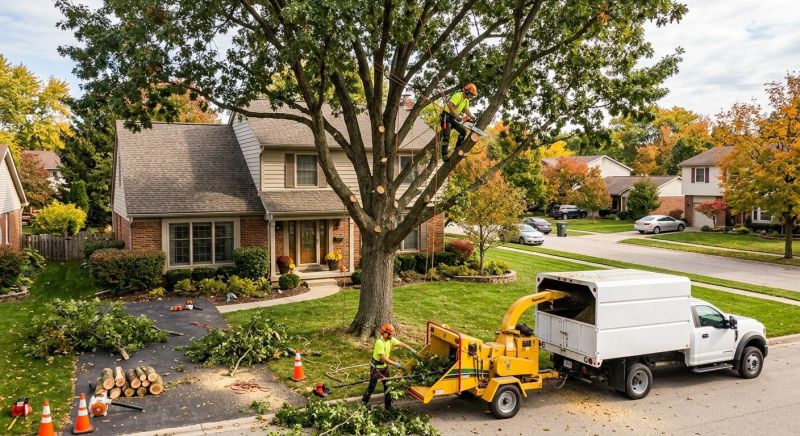
Tree limbs removal services involve the careful trimming and removal of overgrown, damaged, or hazardous branches from trees on residential properties. This service helps maintain the health and appearance of trees while reducing the risk of falling limbs that could cause damage or injury. Projects typically include removing dead or broken branches, thinning dense canopies, and trimming limbs that are close to structures, power lines, or walkways. Homeowners often request this service to improve safety, enhance curb appeal, or prepare trees for seasonal storms.
Before requesting tree limbs removal, property owners should consider the location and size of the branches needing attention, as well as any potential impact on the overall health of the tree. It’s important to identify which limbs are causing concerns and to understand any local regulations or restrictions regarding tree trimming. Clear communication about the scope of work and desired outcomes can help ensure the project meets expectations and maintains the safety and beauty of the landscape.
Many property owners in Reno, NV look into Tree Limbs Removal for repairs, replacements, upgrades, and appearance-related improvements.
Common Tree Limbs Removal Jobs
Tree limb removal - safely reduces the weight and risk of falling branches.
Storm damage cleanup - clears broken or hazardous limbs after severe weather.
Overhanging limb trimming - prevents interference with power lines and structures.
Dead limb removal - eliminates rotting or diseased branches to protect tree health.
Crown thinning - improves air circulation and light penetration for trees.
Hazardous limb removal - addresses limbs that pose a safety risk to property and people.
Tree Limbs Removal Questions
When is tree limb removal necessary? Tree limb removal is needed when branches are damaged, diseased, or pose a risk to property and safety.
What types of trees can be serviced for limb removal? Most common tree species in the area can be serviced, including deciduous and evergreen varieties.
Why should property owners consider professional tree limb removal? Professionals ensure safe, effective removal and help prevent damage to the tree and surrounding property.
How does limb removal benefit tree health? Removing dead or overgrown limbs promotes better growth and maintains the overall health of the tree.
Request Tree Limbs Removal in Reno, NV
Use the quote form on this page to share the basics of your project and request more information for the type of work you need.